Lambic & Gueuze
The wild, spontaneous soul of Belgian beer
See where this style fits in the family treeNo yeast is added. Instead, the cooling wort is left open to the night air of the Senne Valley, where wild yeast and bacteria drift in and begin a fermentation that can last for years. The result is unlike any other beer on earth: tart, funky, complex, and alive.
Lambic is beer fermented by wild yeast from the open air rather than added cultures. Gueuze is a sparkling blend of young and old lambics refermenting in the bottle. Both are tart, funky, and unlike anything else in brewing.
What makes it unique?
How it tastes.
- Appearance
- Cloudy gold to deep amber, still or lightly sparkling depending on the blend.
- Aroma
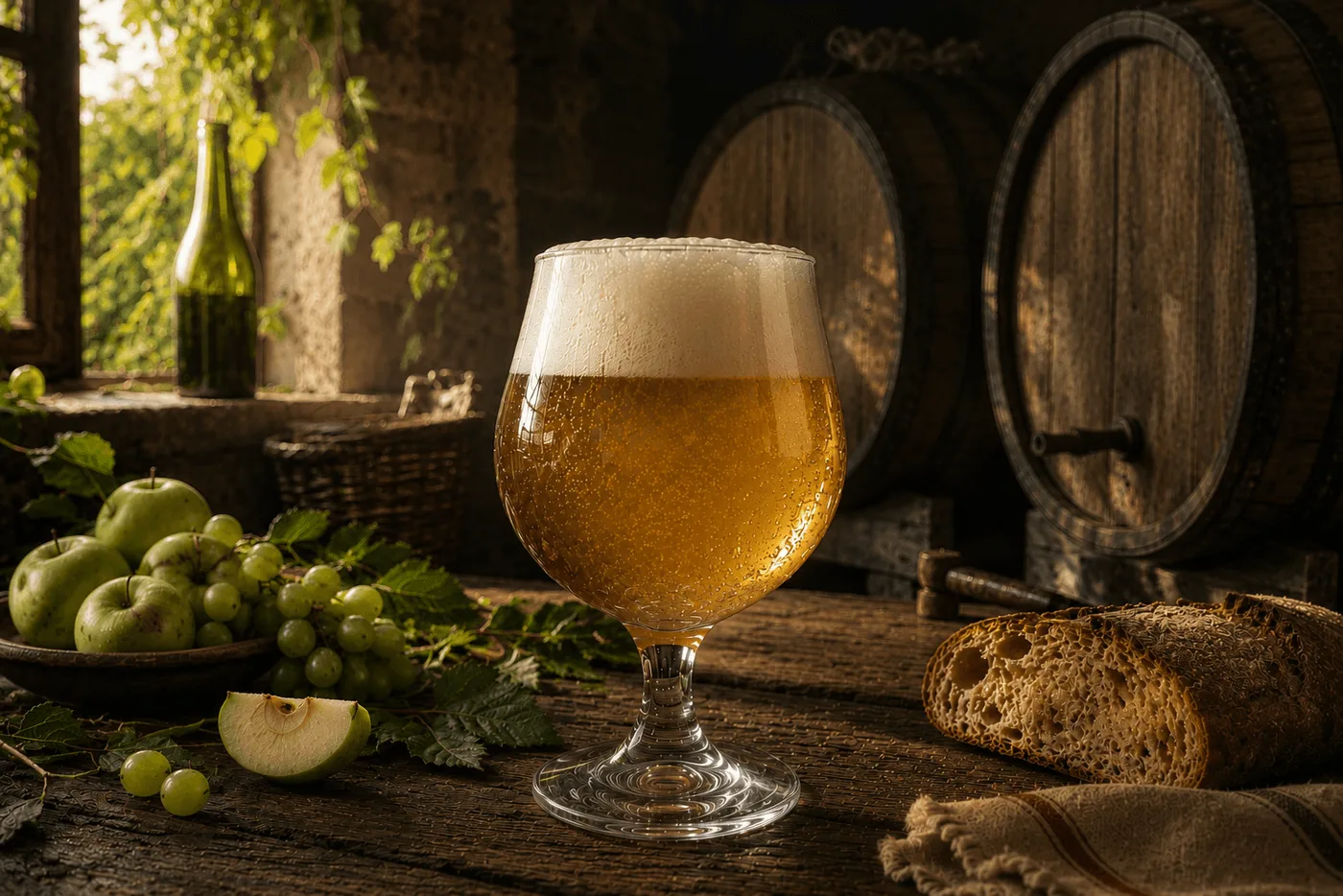
- Barnyard funk, citrus, green apple, oak, and a bracing sourness.
- Palate
- Sharp acidity, dry, with layers of fruit, leather, and wood.
- Finish
- Bone dry and lingering, refreshing despite its intensity.
How to serve.
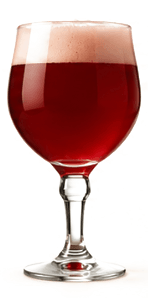 The Lambic Glass · 6-8°C
Serve cool, around 6 to 8 degrees. Gueuze suits a flute or wine glass to show its effervescence; still lambic is poured gently to preserve what little carbonation it has.
History & tradition.
Lambic is the oldest surviving style of its kind, brewed in and around Brussels for centuries. Young lambic is sharp and one-dimensional; the magic happens in blending. A gueuze marries young and old oak-aged lambics, then refermenting in the bottle to create a sparkling, Champagne-like beer. Fruit versions steep whole cherries (kriek) or raspberries (framboise) in the aging beer, while faro is lightly sweetened with candi sugar.
Lambic & Gueuze to try.
Cantillon GueuzeBrasserie Cantillon5% ABV$$$$Cantillon VigneronneBrasserie Cantillon5% ABV$$$$Oude Geuze TilquinGueuzerie Tilquin6.6% ABV$$$$3 Fonteinen Oude GeuzeBrouwerij 3 Fonteinen6% ABV$$$$Boon Oude GeuzeBrouwerij Boon7% ABV$$$$Boon Mariage ParfaitBrouwerij Boon8% ABV$$$$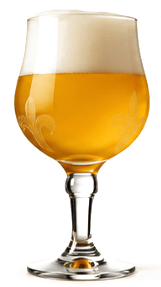 Faro LindemansBrouwerij Lindemans4.5% ABV$$$$3 Fonteinen Cuvée Armand & GastonBrouwerij 3 Fonteinen6% ABV$$$$
The breweries.
Types of Lambic.
Flat (no carbonation), often cloudy, ranging from lightly tart to sour. Served directly from the barrel in local cafes. Rarely bottled. It drinks almost like a dry cider or sherry.
The "Champagne of beers". A master blender marries one, two, and three-year-old lambic. The young lambic still has sugars, so it referments in the bottle, creating natural carbonation.
Examples: Cantillon Gueuze, 3 Fonteinen Oude Geuze, Oude Geuze Tilquin, Boon Oude GeuzeWhole fruit (sour cherries for Kriek, raspberries for Framboise) is added to the barrel. The yeast eats the fruit sugars, leaving the essence and color behind. Many commercial versions are sweetened; look for "Oude Kriek" for the traditional dry version.
Examples: Cantillon Kriek, Boon Oude Kriek, 3 Fonteinen Oude KriekA traditionally sweetened lambic-based beer, often blended with younger or lighter beer and sweetened with brown or candi sugar. Historically the working man’s daily drink. Sweet, sour, and rustic.
Common misconceptions.
False. Traditional Oude Kriek is bone-dry and sour. The sweetness in commercial brands comes from added sugar or syrup, not the fruit itself.
While it has acidity (acetic and lactic acid), a good Gueuze is balanced, soft, and complex, not harsh like pure vinegar.
False. Lambic is a specific type of sour beer, defined by spontaneous fermentation in Belgium’s Zenne Valley. Other sour beers are often kettle sours or mixed-fermentation ales from elsewhere.
False. Though brewed with wild yeasts and bacteria, traditional producers have centuries of expertise ensuring a safe, delicious product. The fermentation itself inhibits harmful bacteria.
How to drink it.
Frequently asked.
Lambic is the base beer, often flat and served young from the barrel. Gueuze is a blend of young and old lambics that referments in the bottle to become sparkling and complex.