The Science & Magic

Why does Belgian beer
taste different?

It is not just the ingredients. It is a philosophy that embraces chaos, yeast-driven flavor, and brewing techniques found nowhere else on Earth.

"Wait... this is beer?"

I still remember the first time I truly understood Belgian beer. I was sitting at the legendary Max's Taphouse in Baltimore during their annual Belgian Beer Fest. I had ordered a glass of Rodenbach Grand Cru. It arrived in a stemmed chalice, glowing like a polished ruby.

One sip, and my brain scrambled. It was tart like a green apple, sweet like cherries, woody like an old wine barrel, and refreshingly sharp. It tasted nothing like the lagers or IPAs I had grown up with. It was something else entirely.

That is the magic of Belgian brewing. It refuses to be put in a box. While German brewing is defined by strict purity laws and consistency, and American craft brewing is often defined by extreme hopping, Belgian brewing is defined by artistic freedom and complexity.

So what exactly makes it taste so different? Why can you identify a Belgian beer blindfolded with just one sniff? It usually boils down to these factors.

1. It all comes down to the yeast

If you hand the exact same wort (sugar water from grain) to a German brewer and a Belgian brewer, the German will likely use a yeast that hides in the background, letting the malt or hops shine. The Belgian will use a yeast that screams for attention.

Belgian yeast strains are famously expressive. They are selected to produce esters (fruity flavors like banana, pear, and citrus) and phenols (spicy notes like clove, black pepper, and nutmeg).

This is why a Westmalle Tripel tastes complex, fruity, and spicy even though it contains no fruit or spices in the recipe. It is entirely the work of the yeast.
2. Then there's the wild stuff

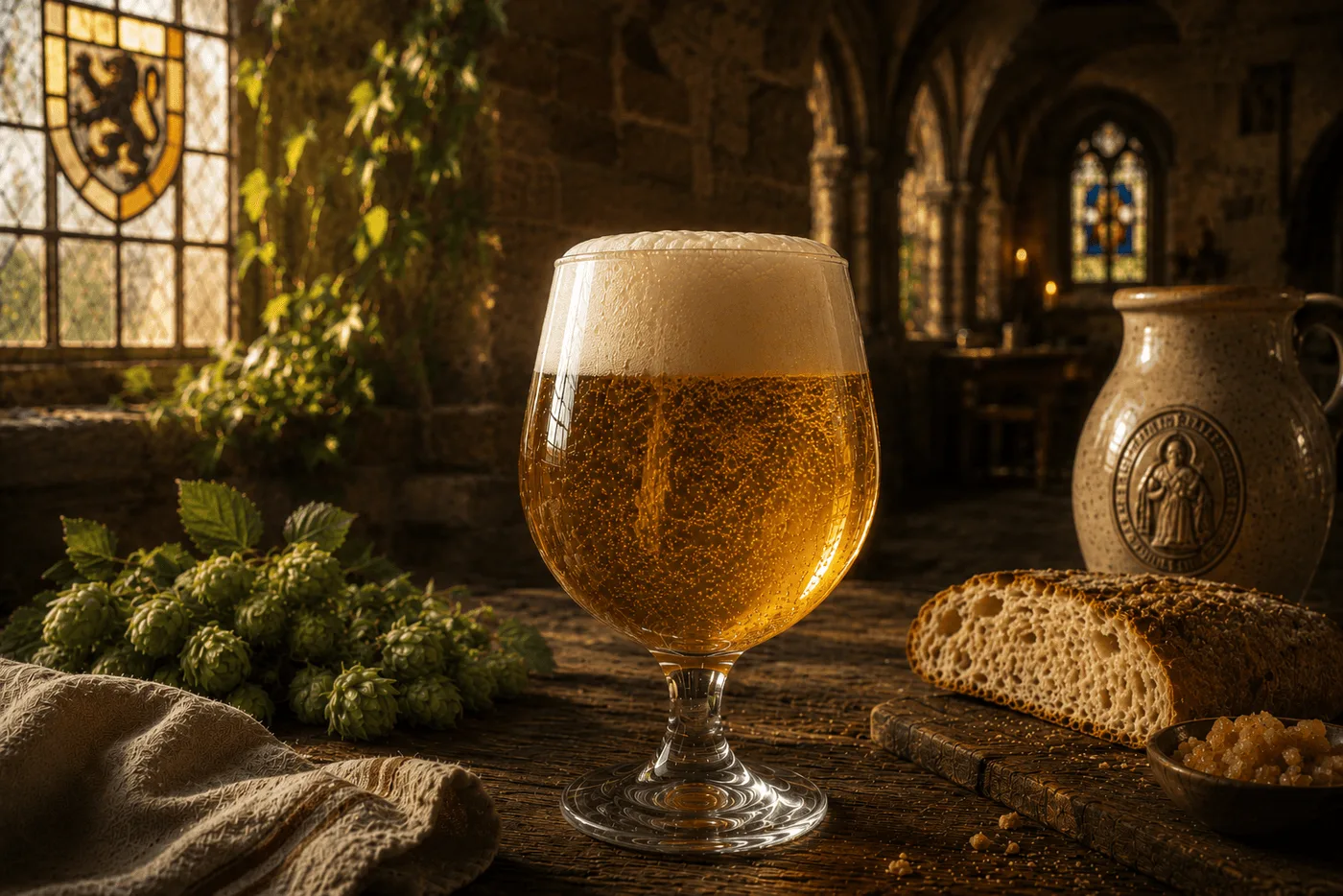
While most brewers around the world are terrified of wild bacteria entering their facility, Belgian brewers in the Pajottenland region roll out the red carpet. They cool their wort in large, shallow open vessels (coolships), letting wild yeast and bacteria from the night air infect the brew.

This spontaneous fermentation creates Lambic. It introduces flavors that should not work but do: barnyard funk, wet hay, and intense acidity.

Beers like Cantillon Gueuze or 3 Fonteinen offer tart, funky profiles closer to dry cider or natural wine than to what we typically think of as beer. Even the Trappist ale Orval uses a wild yeast called Brettanomyces to create its signature dry, leathery finish.

3. Living beer

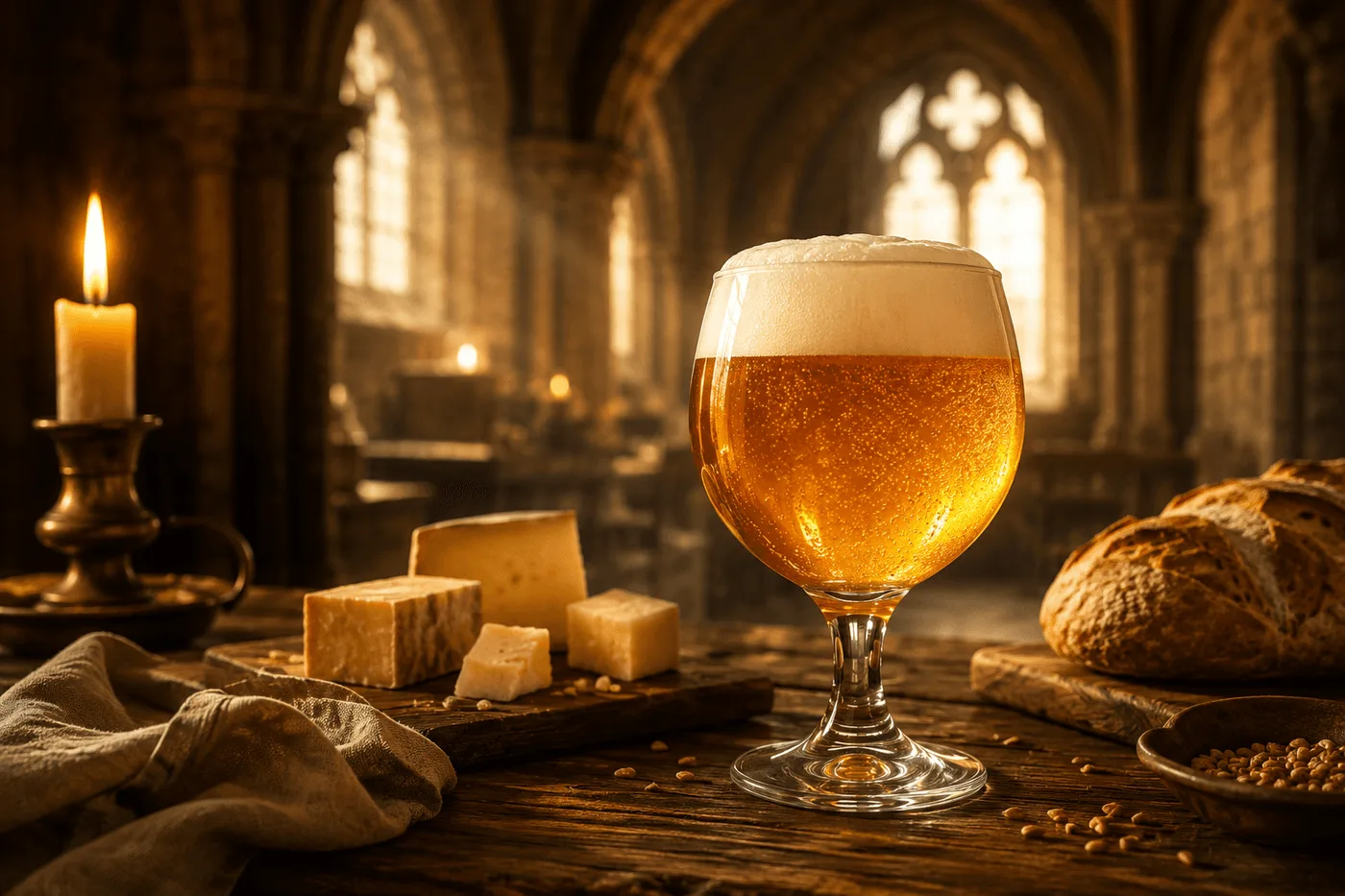
Pop the cork of a Chimay Blue or Duvel and you will hear a distinctive champagne-like pop. That is because almost all serious Belgian beers are bottle conditioned.

Brewers add a tiny dose of sugar and fresh yeast right before bottling. This sparks a second fermentation inside the sealed bottle, naturally carbonating the beer and scavenging any oxygen that might stale it.

This means the beer is technically alive and can evolve in flavor for years. A vintage bottle of Westvleteren 12 aged for five years will taste smoother, richer, and more integrated than a fresh one.

4. The Belgian philosophy

There is a core concept in Belgian brewing called digestibility. A beer can be massive, 9% or 10% ABV, but it should never feel heavy, cloying, or difficult to drink.

The goal is a beer that is deceptively drinkable. This is often achieved through high attenuation, meaning the yeast eats almost all available sugars, leaving a dry, light body that masks the potent alcohol punch.

This dangerous balance is why a Duvel (8.5%) drinks as easily as a pilsner, yet commands far more respect.

5. Sugar, spices, and breaking the rules

The famous German Purity Law (Reinheitsgebot) forbids anything but water, barley, hops, and yeast. Belgians view this as a tragic lack of imagination.

They frequently use candi sugar, not to make the beer sweet, but to boost alcohol while keeping the body light. The yeast eats the sugar completely, turning it into alcohol and CO2 without leaving heavy starch behind.

They also are not afraid of the spice cabinet. Hoegaarden famously resurrected the Witbier style using coriander seeds and dried Curaçao orange peel. La Chouffe uses coriander to accentuate its yeast’s natural spiciness. The rule is subtle: the spice should merge with the yeast flavor, not overpower it.

6. The hops take a back seat

Historically, hops in Belgian beer are used for preservation and structural balance, not as the main flavor driver. While modern styles like Houblon Chouffe or XX Bitter embrace hop bitterness, traditional styles rely on noble hops for subtle floral or herbal notes that support the yeast rather than dominating it like an American IPA.

7. Monks, monasteries, and why it all matters

The Trappist tradition is the backbone of Belgian brewing history. Monasteries like Westvleteren, Chimay, and Rochefort maintained brewing knowledge through turbulent centuries of war and revolution.

They developed the systems of Dubbel, Tripel, and Quadrupel that define the landscape today. These beers were brewed not for profit, but to support the monastery and charitable causes. Even secular Abbey beers produced by commercial breweries (like Leffe or Maredsous) mimic these holy blueprints, adhering to the profiles established by the monks.

8. Regional character actually matters

Belgium may be small, but its provinces guard their own brewing identities fiercely. Tap a region to explore.

Home to the sweet-and-sour red and brown ales. Think Rodenbach and Duchesse de Bourgogne, aged in massive oak vats.

9. What this all means

It means that Belgian beer is not just a beverage; it is a culinary experience. It challenges your palate with sourness, bitterness, sweetness, and funk, often all in the same glass.

When you drink a Belgian beer, you are not just drinking a product of fermentation. You are drinking history, geography, and a distinct cultural refusal to be boring.

Every bottle tells a story of tradition, craftsmanship, and a uniquely Belgian approach that prizes character over convention. Some of them taste weird. That is kind of the point. Proost! The Jolly Monk

Ready to taste the difference?

Now that you know the theory, it is time for the practice. Start your journey with our personalized beer finder.

Find your next beer

    Belgian Beer Wisdom

    Did you know?

    Many Belgian beers refermenent in the bottle, creating natural carbonation and complex flavors.

    Why it tastes different

    The Monk's Dispatch

    One letter a month from our cellar: a beer worth seeking, a brewery worth knowing, a small lesson in the art. What is this?