The art of the pour
In Belgium, the glass is not merely a vessel. It is an instrument designed to elevate the beer's aroma, flavor, and presentation.
Why the glass matters
Every Belgian beer style has its own specific glass, scientifically shaped to enhance the drinking experience. It is not just tradition; it is physics.
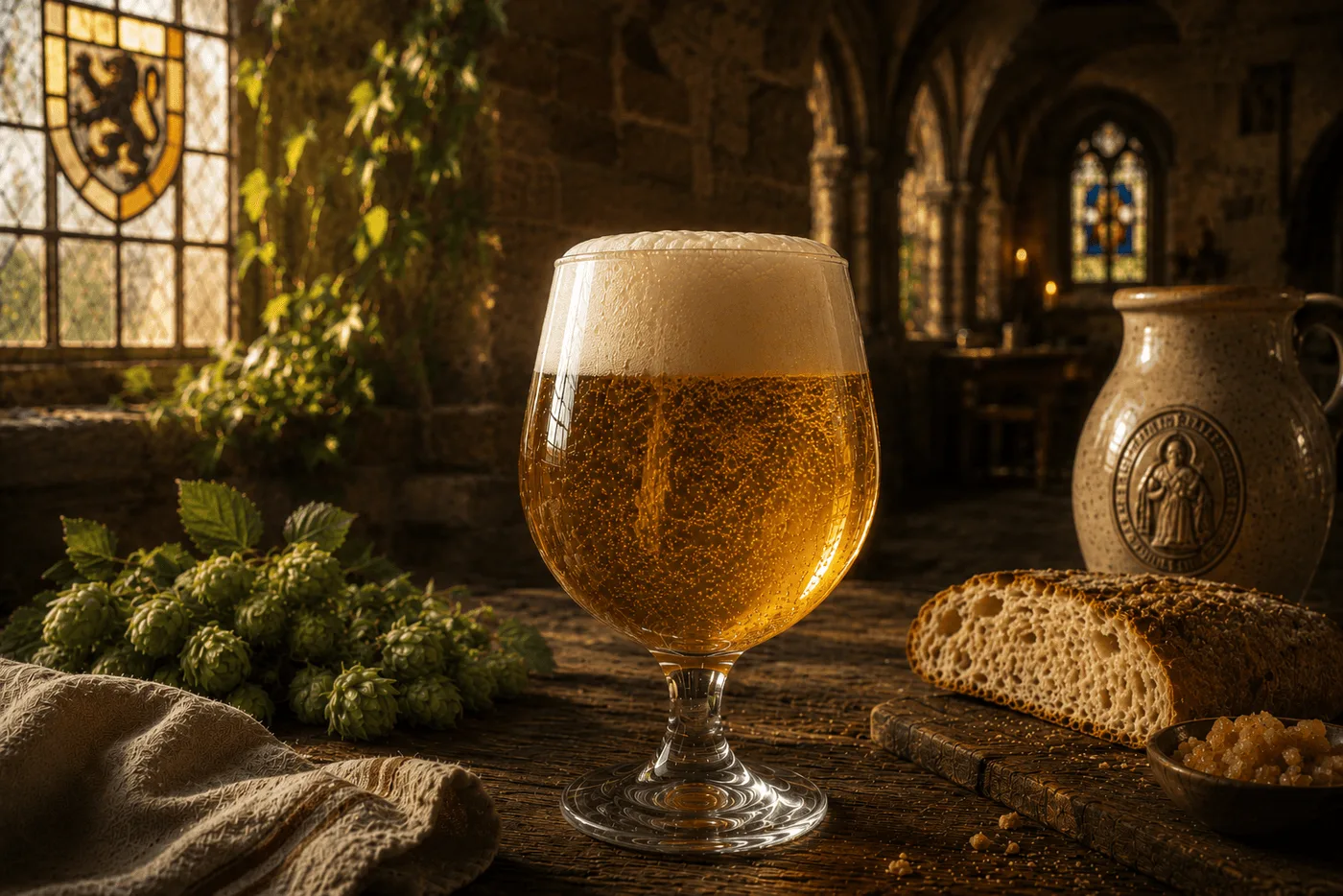
The holy trinity of glassware
Tap a glass to learn its purpose and see which beers belong in it.
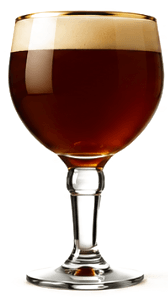
The Chalice
Wide-mouthed and heavy-stemmed, designed for heavy, malty beers. The broad opening allows for deep sips and lets the rich aromas waft freely, while the stem keeps your hand off the bowl.
As an Amazon Associate we may earn from qualifying purchases.
Temperature is key
Serving a Belgian beer ice-cold is a sin. Cold suppresses flavor compounds, hiding the complexity the brewer worked so hard to create.
Never, ever serve Belgian beer in a frosted glass. The ice crystals cause foaming issues and kill the aromatics instantly. Rinse your glass with cool water instead.
The perfect pour ritual
Respect the beer, and it will reward you. Tap each step.
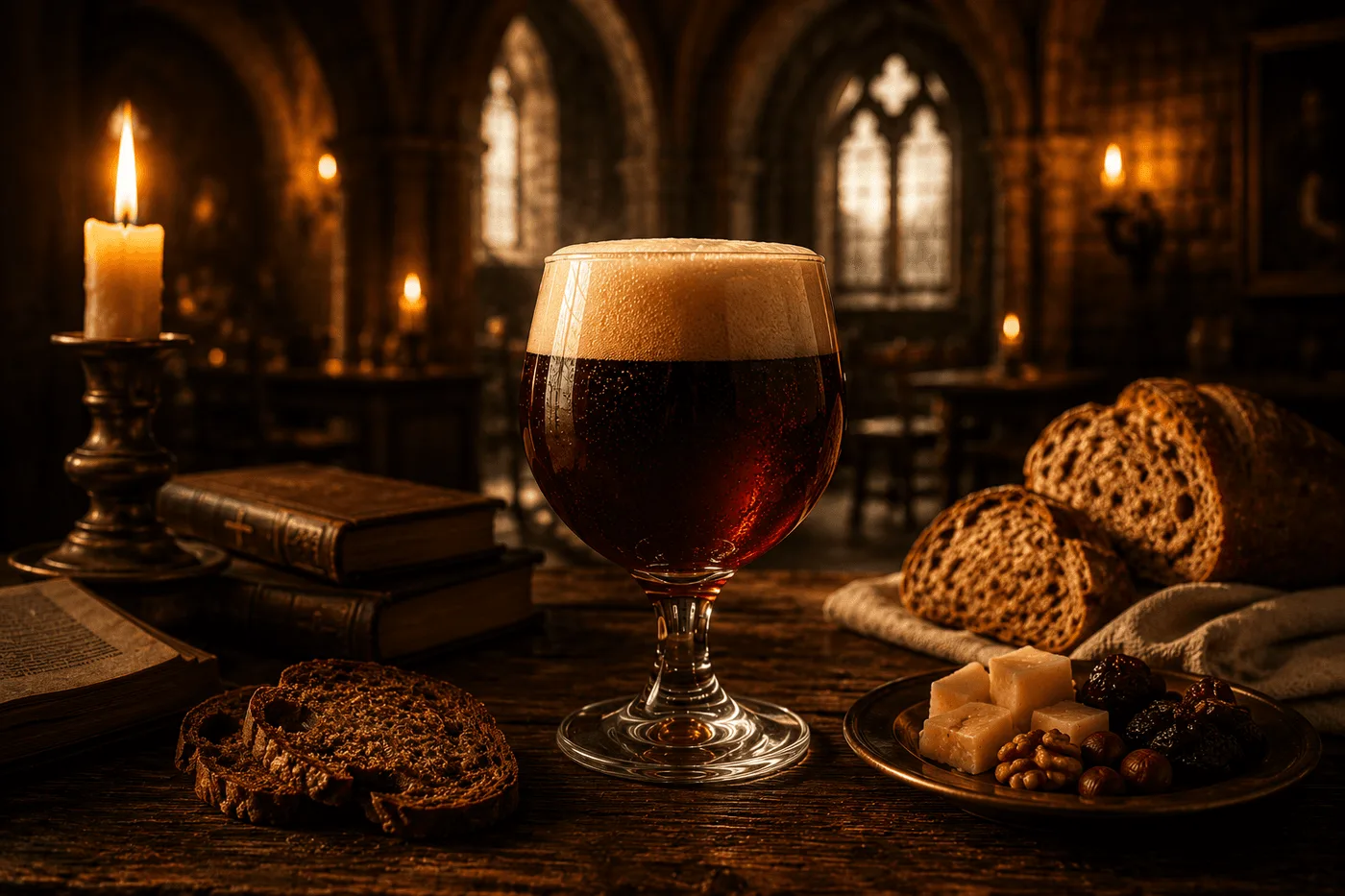 "Foam is not a mistake. It is the beer's crown."
The Sacred Toast
In Belgium, toasting is taken seriously. When you clink glasses ("Santé" or "Proost"), you must make eye contact with everyone you are toasting. Failing to do so is considered rude, and some say it brings seven years of bad luck.