Brouwerij Girardin
Sint-Ulriks-Kapelle, 1700 Sint-Ulriks-Kapelle (Dilbeek)
A private farm brewery in the Pajottenland that still grows some of its own wheat and gives interviews to nobody, producing lambic and the Gueuze 1882 in a filtered white label and an unfiltered black label.
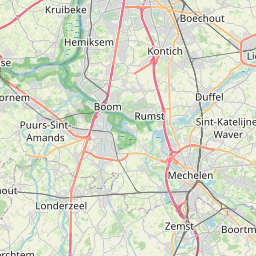
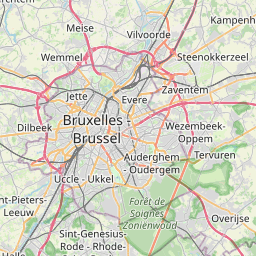
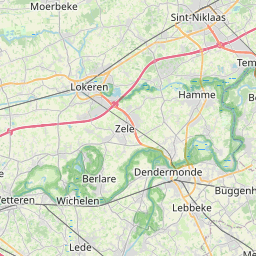
8 other breweries within 25 km. Nearest is Brouwerij Mort Subite, 4 km.
Lambic is the oldest surviving brewing method in the western world, and it is made almost nowhere else on earth.
- No yeast addedFermented by wild microflora carried on the open air.
- Senne valleyOnly the air of this one river valley reliably works.
- Aged in oakMatured in barrels for months or years before blending.
The story of Girardin
The Girardin family has farmed and brewed at Sint-Ulriks-Kapelle since 1845, brewing lambic commercially from 1882, and still grows part of the wheat that goes into it. The brewery is famously closed to the outside world: no tours, no interviews, no marketing.
The Gueuze 1882 comes in two bottlings, and the difference matters: the white label is filtered, the black label is not, and it is the black label that collectors chase.
2 beers in our cellar
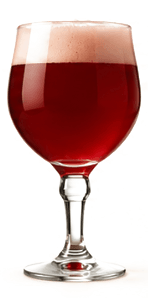
Girardin Gueuze 1882 (White Label)
Gueuze · 5% ABVThe filtered half of the Girardin pair, and the only filtered gueuze in this cellar. Where the Black Label is bottle-refermented and left hazy, the White Label is tank fermented, filtered and pasteurised, which strips the funk back and leaves a clearer, calmer beer: tart apple and lemon over the same oak-aged lambic, with a rounder finish. The house does not sweeten it, so it stays a dry gueuze rather than crossing into the commercial sweet style. Tasted side by side with the Black Label it is the plainest demonstration in Belgian brewing of what filtering does to a lambic blend.
Read the dossier