TRAPPIST ALE
Westmalle Extra
Abdij der Trappisten van Westmalle
Abbaye de Scourmont • Hainaut Belgium
The beer brewed for the monks themselves. Refreshing, light, and hoppy with citrus notes. Formerly not sold to the public.
Rich, layered and contemplative, with notes of citrus, hoppy, spice, with a balanced, moreish finish.
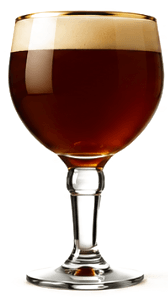
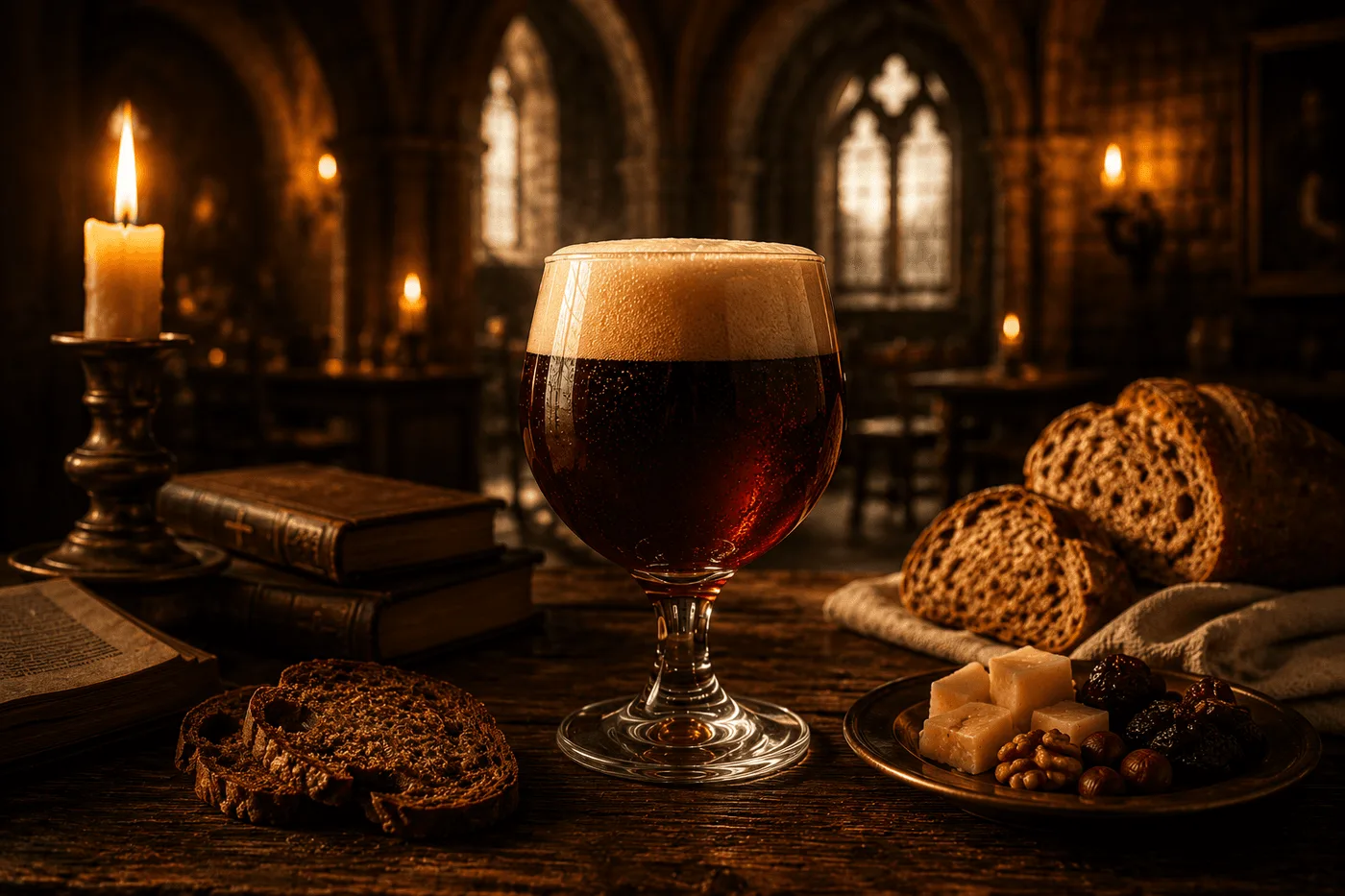
Serve at 10-14°C in a chalice to maintain a generous head and let the aromas bloom.
10-14°C
Style-based profile from ABV, style & tasting notes.
Drink fresh. Hop aroma fades fast; enjoy it young and vibrant.
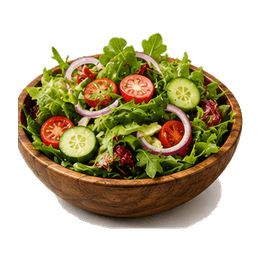
"Perfect with light appetizers or a fresh caprese salad; its lightness doesn't overpower delicate flavors."
Cook this: a crisp witloof (endive) salad, or white asparagus in spring.
Special Occasion
Rare or strong, worth the hunt.
The beer brewed for the monks themselves. Refreshing, light, and hoppy with citrus notes. Formerly not sold to the public.
Originally the monks' own table beer at Scourmont Abbey, brewed for the community rather than sale, and only released to the public in recent years. The lightest of the Chimay range.
On the Trappist Ale style, Authentic monastery-brewed beer. Strictly regulated; must be brewed within a Trappist monastery under monk supervision. Not a single style, but an origin mark.
Explore the Trappist Ale guide Source: BeerAdvocateThe broad, open bowl releases the deep malt aromatics of strong abbey ales and supports a thick, protective head, built for slow, contemplative sips.
Cellar-cool the glass
Clean and dry, never frosted
Pour straight & bold
Down the centre to raise a head
Build a rocky crown
A full head locks in the aroma
Let it warm
Malt complexity blooms as it opens
No reviews yet
Community ratings will appear here. In the meantime, see what drinkers say on:
Abdij der Trappisten van Westmalle
Sint-Sixtusabdij Westvleteren
Abbaye de Scourmont
Pour it into a chalice, served around 10-14°C, and let its aromatics open before the first sip. Enjoy it fresh and lively; there is little to gain from waiting.
Brother Anselm, cellarmaster
Did you know?
Many Belgian beers referment in the bottle, creating natural carbonation and complex flavors.
Why it tastes differentThe Monk's Dispatch
One letter a month from our cellar: a beer worth seeking, a brewery worth knowing, a small lesson in the art. What is this?