WITBIER
St. Bernardus Wit
Brouwerij St. Bernardus
Brouwerij van Hoegaarden • Flemish Brabant Belgium
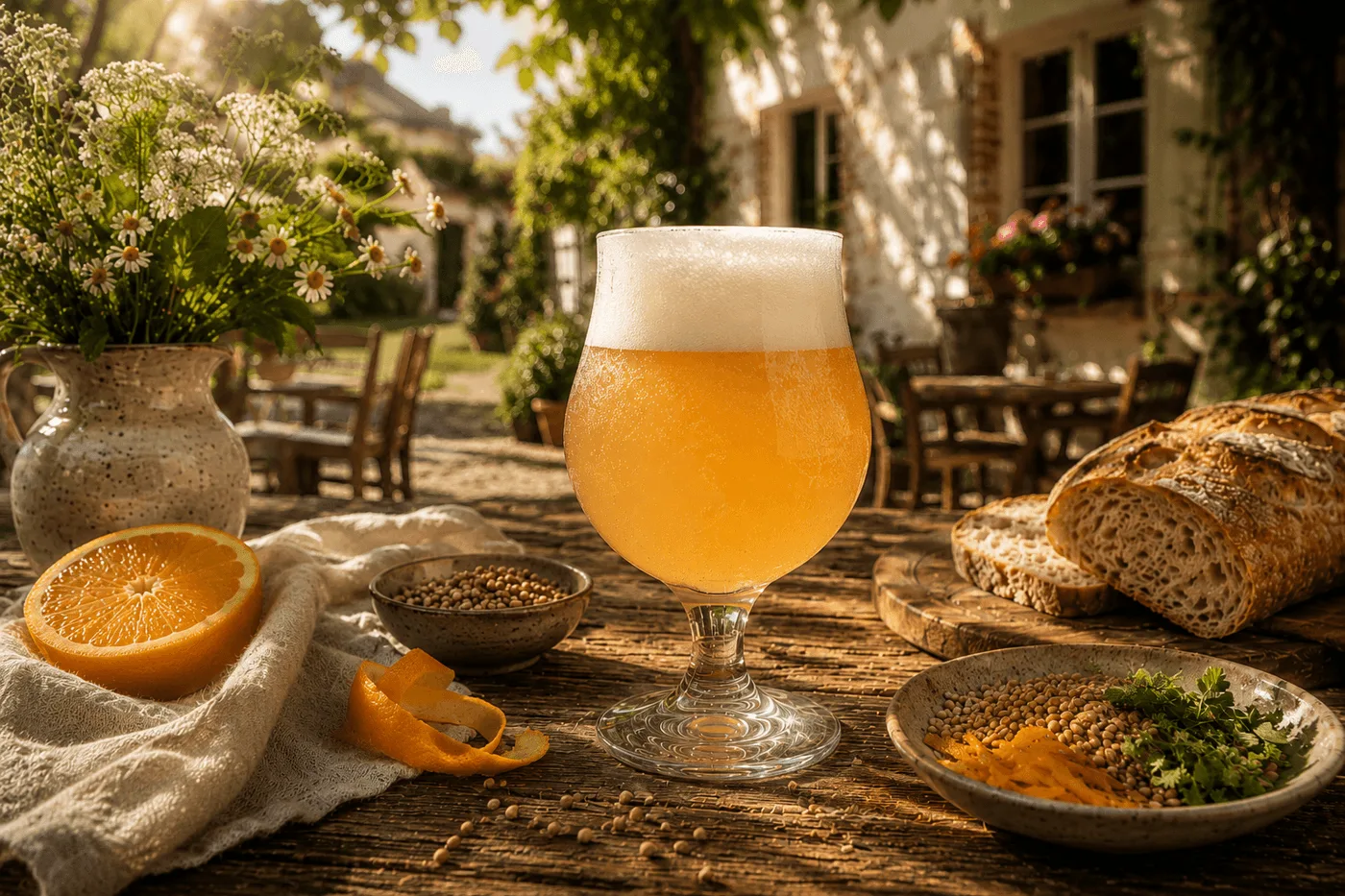
The original Belgian white beer. Unfiltered and cloudy with a distinctive smooth taste derived from coriander and Curaçao orange peel.
Soft, hazy and refreshing, with notes of citrus, coriander, wheat, with a balanced, moreish finish.
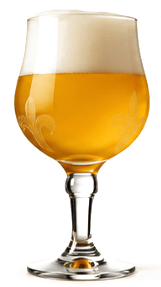
Serve at 4-6°C in a witbier tumbler to maintain a generous head and let the aromas bloom.
4-6°C
Style-based profile from ABV, style & tasting notes.
Drink fresh. A delicate, refreshing beer that gains little from age.
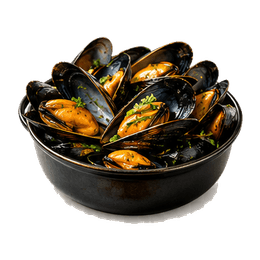
"Its citrusy coriander notes cut through the richness of steamed mussels (Moules Frites) and complement fresh goat cheese salads."
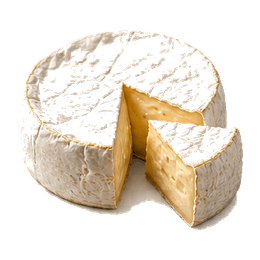
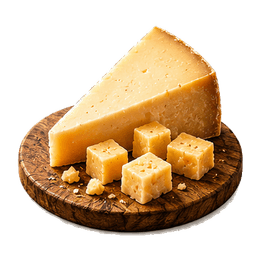
Cook this: moules mariniere with frites, creamy brie or fresh chevre on toast, or a wedge of aged abbey cheese (Chimay, Orval).
Everyday
Easy to find, easy on the wallet.
The original Belgian white beer. Unfiltered and cloudy with a distinctive smooth taste derived from coriander and Curaçao orange peel.
The witbier style had gone extinct until Pierre Celis revived it in the village of Hoegaarden in 1966, brewing the cloudy, coriander-and-orange wheat beer his grandfather once made. A 1985 fire nearly ended it before the style's worldwide comeback.
On the Witbier style, A refreshing wheat beer brewed with spices like coriander and orange peel. Cloudy appearance, light body, and citrusy flavors make it perfect for warm weather.
Explore the Witbier guide Source: BeerAdvocate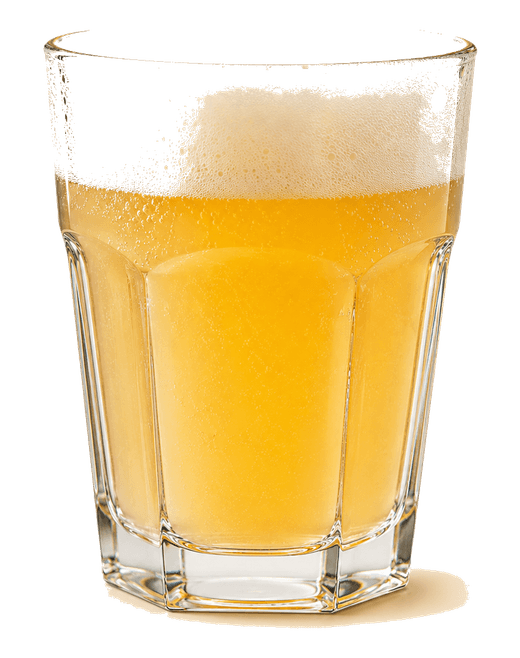
The thick, faceted tumbler keeps hazy wheat beers cold and shows off their cloudy glow, with room for the coriander-and-orange aromatics to lift.
Serve cold
Wheat beers shine ice-cool
Pour two-thirds
Leave the yeast in the bottle
Rouse the yeast
Swirl the last splash, then top up
Leave a cloudy head
Garnish with orange if you like
No reviews yet
Community ratings will appear here. In the meantime, see what drinkers say on:
Brouwerij St. Bernardus
Duvel Moortgat
Brasserie du Bocq
Pour it into a witbier tumbler, served around 4-6°C, and let its aromatics open before the first sip. Enjoy it fresh and lively; there is little to gain from waiting.
Brother Anselm, cellarmaster
Did you know?
Many Belgian beers referment in the bottle, creating natural carbonation and complex flavors.
Why it tastes differentThe Monk's Dispatch
One letter a month from our cellar: a beer worth seeking, a brewery worth knowing, a small lesson in the art. What is this?