BELGIAN STRONG PALE ALE
Pauwel Kwak
Brouwerij Bosteels
Brouwerij Huyghe • East Flanders Belgium
Famous pink elephant beer. Pale blond, fine and stable head. Malty, spicy, and warming alcohol with a round finish.
Bright, golden and deceptively strong, with notes of apple, pear, peppery, with a balanced, moreish finish.
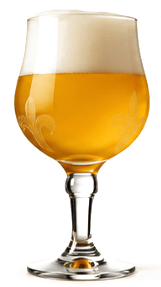
Serve at 8-12°C in a tulip to maintain a generous head and let the aromas bloom.
8-12°C
Style-based profile from ABV, style & tasting notes.
Can age. Will soften and gain a honeyed depth, though it is lovely fresh too.
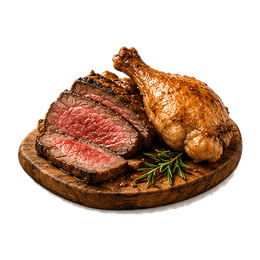
"Strong enough to handle rich pork dishes or pungent washed-rind cheeses without getting lost."
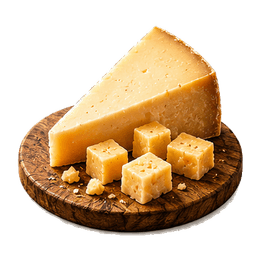
Cook this: a wedge of aged abbey cheese (Chimay, Orval), or roast pork with grain mustard.
Premium
A considered, special pour.
Famous pink elephant beer. Pale blond, fine and stable head. Malty, spicy, and warming alcohol with a round finish.
Launched by Brouwerij Huyghe in Melle in 1989, famous for its pink-elephant label and speckled ceramic-look bottle. A potent, spicy golden ale that became a global icon of strong Belgian beer.
On the Belgian Strong Pale Ale style, Strong, pale, and often more hop-forward relative to other Belgian styles. Fruity, spicy, and potent with a warming finish.
Explore the Belgian Strong Pale Ale guide Source: BeerAdvocateThe tulip's flared lip captures the foamy head while the bulb concentrates the beer's volatile aromatics, made for swirling and savouring.
Chill the glass
Rinse with cold water, not freezer-cold
Pour at 45°
Aim for the inside of the glass wall
Finish upright
Build a two-finger head for the bouquet
Swirl, sip, savour
Re-release the esters halfway through
No reviews yet
Community ratings will appear here. In the meantime, see what drinkers say on:
Brouwerij Bosteels
Brouwerij Omer Vander Ghinste
Brasserie St-Feuillien
Pour it into a tulip, served around 8-12°C, and let its aromatics open before the first sip. Lovely now, though a year or two will only soften and deepen it.
Brother Anselm, cellarmaster
Did you know?
Many Belgian beers referment in the bottle, creating natural carbonation and complex flavors.
Why it tastes differentThe Monk's Dispatch
One letter a month from our cellar: a beer worth seeking, a brewery worth knowing, a small lesson in the art. What is this?