

BELGIAN IPA
Troubadour Magma
The Musketeers
Brasserie d'Achouffe • Luxembourg Belgium
A Belgian Tripel IPA. Fruity yeast esters meet piney/citrus American hops. Strong and bitter.
Hop-forward and aromatic, with notes of grapefruit, pine, pepper, with a balanced, moreish finish.
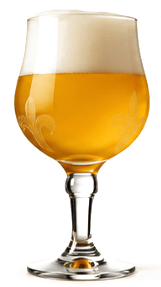
Serve at 8-12°C in a tulip to maintain a generous head and let the aromas bloom.
8-12°C
Style-based profile from ABV, style & tasting notes.
Drink fresh. Hop aroma fades fast; enjoy it young and vibrant.
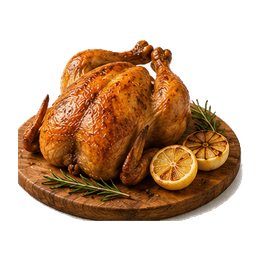
"Pairs with crispy fried chicken or spicy curries; the bright hops cut through the fat and the heat."
Cook this: crispy fried chicken, frites with andalouse, or cheese croquettes (kaaskroketten), or vol-au-vent (chicken in puff pastry).
Premium
A considered, special pour.
A Belgian Tripel IPA. Fruity yeast esters meet piney/citrus American hops. Strong and bitter.
Achouffe's hop-forward creation, a Belgian IPA brewed with the brewery's signature yeast and a heavy charge of hops, bridging Belgian tradition and the modern hop movement.
On the Belgian IPA style, A hybrid style combining American hop levels with Belgian yeast strains. Fruity yeast esters meet piney/citrus hop bitterness.
Explore the Belgian IPA guide Source: RateBeerThe tulip's flared lip captures the foamy head while the bulb concentrates the beer's volatile aromatics, made for swirling and savouring.
Chill the glass
Rinse with cold water, not freezer-cold
Pour at 45°
Aim for the inside of the glass wall
Finish upright
Build a two-finger head for the bouquet
Swirl, sip, savour
Re-release the esters halfway through
No reviews yet
Community ratings will appear here. In the meantime, see what drinkers say on:
The Musketeers
Brasserie Lupulus
Brouwerij De Ranke
Pour it into a tulip, served around 8-12°C, and let its aromatics open before the first sip. Enjoy it fresh and lively; there is little to gain from waiting.
Brother Anselm, cellarmaster
Did you know?
Many Belgian beers referment in the bottle, creating natural carbonation and complex flavors.
Why it tastes differentThe Monk's Dispatch
One letter a month from our cellar: a beer worth seeking, a brewery worth knowing, a small lesson in the art. What is this?